

Down Payments 101: Is It Worth It to Put More Than 20 Percent Down?
 Are you thinking of buying a new home this spring or summer? If so, you’re not alone. Many thousands of individuals and families alike will become homeowners this year. Whether you’re a first-time buyer or a seasoned veteran of the housing market, you probably know there are significant choices to make. One of the big decisions you will have to ponder is how much you want to invest in your down payment.
With that in mind, let’s try to answer the question of whether or not it is worth it to put more than 20 percent of the home’s price in your down payment.
Ask Yourself: How Liquid Are You?
Before you can decide how much to put down, you first need to determine how liquid your finances are. That is, how much cash do you have access to? For example, if you are considering a $300,000 home, a 20 percent down payment is $60,000. If you have more than $60,000, fantastic. However, if you have less than that, you might have to do a bit of work to save up the remainder.
Even if you do have enough available cash now, you won’t have access to it once you take possession of the home. It is important to leave yourself with some cash in case of emergencies or for other uses.
Higher Down Payment, Lower Interest Rate
If you do choose to invest more than 20 percent in your down payment, it’s possible that you will gain access to a lower interest rate for your mortgage. Many lenders look favorably on homebuyers that are investing more of their own money and borrowing less. Be sure to check with your mortgage advisor to find out if you qualify for lower rates.
Lower Monthly Payments Await
Finally, choosing a down payment higher than 20 percent means that you will have lower monthly mortgage payments in the future. You are borrowing less so you will owe less. This can provide a nice boost to your monthly budget moving forward as you will have more free cash flow each month.
Try to keep in mind that there is no perfect answer to the question of how big your down payment should be. Choosing the best course of action means taking a good, long look at your current financial situation and deciding what your goals are. When you’re ready to discuss buying a new home contact us. Our professional mortgage team is happy to share our experience!
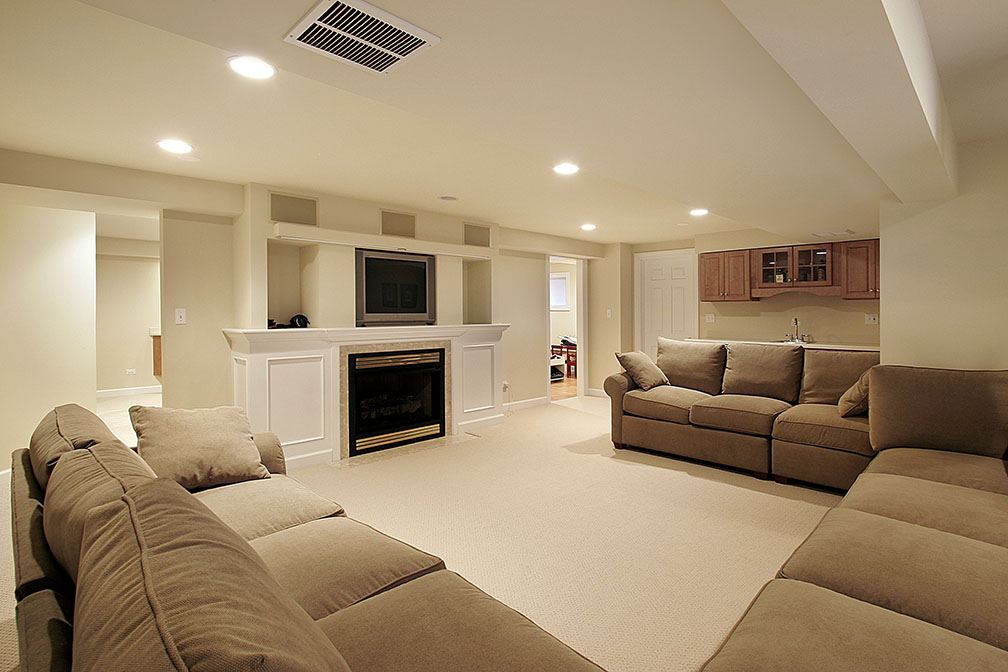 Do you have an empty basement or separated suite in your home? If you have a suite sitting empty, you are missing out on collecting some extra monthly income in the form of rent. Let’s take a look at a quick four-step process that will help you find the perfect tenant to rent out your basement suite.
 If you are thinking of buying a condominium or a home that is part of a planned community, you have likely come across the term “homeowners’ association” or HOA. In short, the HOA is a coalition of local homeowners who have banded together to manage the needs of the local community. Let’s explore the concept of the homeowners’ association, why they charge fees and what you can expect from your HOA if you buy a home that is part of one.