

What Your Bank Statements Quietly Say About You
 When you apply for a mortgage, your bank statements are more than a record of deposits and withdrawals. They tell a story about how money moves through your life. Lenders review them to verify funds, identify large deposits, confirm reserves, and understand whether the money used for closing is properly documented. But for buyers, bank statements can also be a useful mirror.
Your Money Patterns Matter
Your statements may reveal patterns that are easy to ignore day to day. Frequent transfers, overdrafts, large unexplained deposits, subscription charges, cash app activity, and irregular spending can all make the mortgage process more complicated if they are not understood ahead of time. This does not mean you need perfect finances to buy a home. It means clarity matters.
Large Deposits Need a Story
One of the most common issues is large deposits. If money appears in your account that is not clearly from payroll, a tax refund, investment account, gift, or documented sale of an asset, the lender may need an explanation and supporting paperwork. Buyers are sometimes surprised by this, especially when the money is legitimate. The issue is not whether the money belongs to you. The issue is whether the lender can document where it came from under mortgage guidelines.
Closing Cash Goes Beyond the Down Payment
Bank statements can also show whether you have enough funds beyond the down payment. Closing costs, prepaid taxes, insurance, and reserves may all need to be considered. Some buyers save for the down payment and forget that they may need additional cash to close. Reviewing statements early helps prevent that surprise.
Organization Creates Confidence
Another quiet signal is consistency. Lenders like to see stable, traceable financial activity. If your money is spread across several accounts, moving constantly, or coming from multiple sources, the process may still work, but it may require more documentation. Keeping funds organized before applying can make the experience smoother.
Self-Employed Buyers Need Clarity
For self-employed buyers, bank statements can be especially important. Business and personal funds should be easy to distinguish. If income, expenses, transfers, and deposits are mixed together without a clear system, it can create confusion. Good organization does not just help with taxes. It can also support a cleaner mortgage file.
Prepare
Before applying, take 60 to 90 days to look at your accounts through a mortgage lens. Avoid unnecessary large cash deposits. Keep records for any gift funds or asset sales. Reduce avoidable overdrafts. Know where your closing funds will come from. Save statements for accounts involved in the transaction.
Your bank statements do not need to tell a perfect story. They need to tell a clear one. The more organized your financial paper trail is, the easier it is for your lender to connect the dots. That can mean fewer surprises, fewer last-minute requests, and a more confident path to closing.
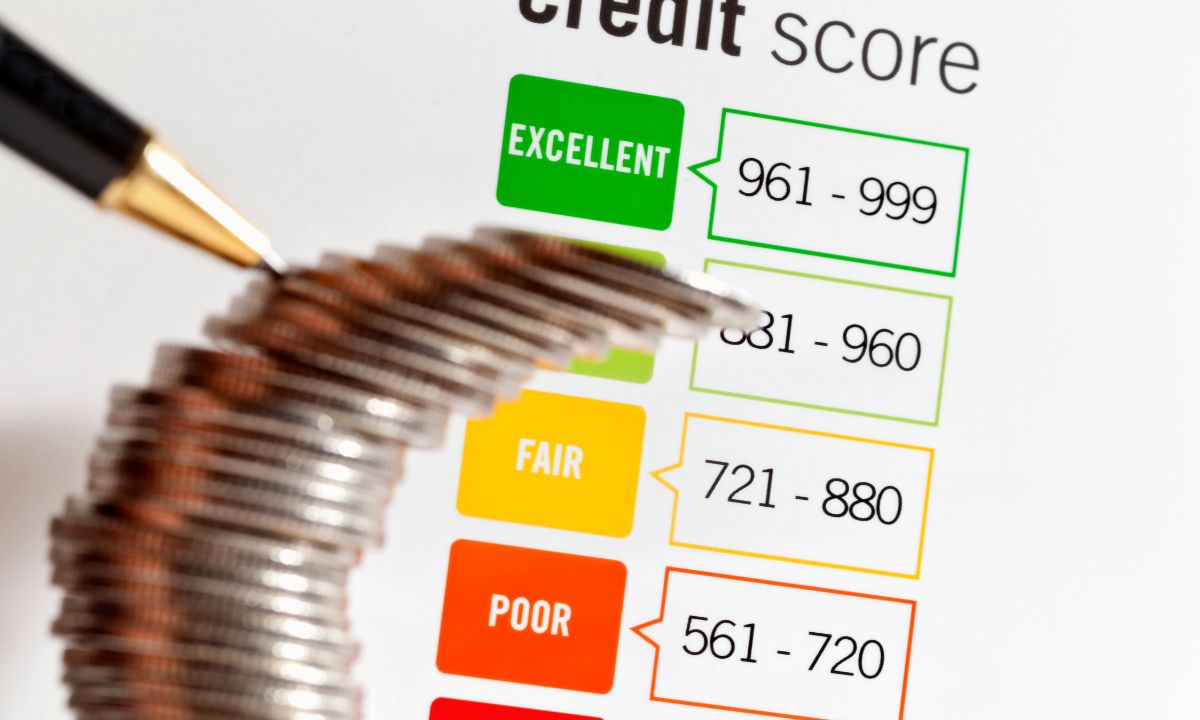 If you’re thinking about buying a new home next year, there’s one important factor to consider before you start browsing listings—your credit score. A strong credit score can make a huge difference in the interest rates you will qualify for and can also determine your mortgage approval. Starting the process of improving your credit now gives you a head start, putting you in a better position to achieve your homeownership goals when the time comes.