

Can a Detached Garage Affect Your Home’s Mortgage Appraisal?
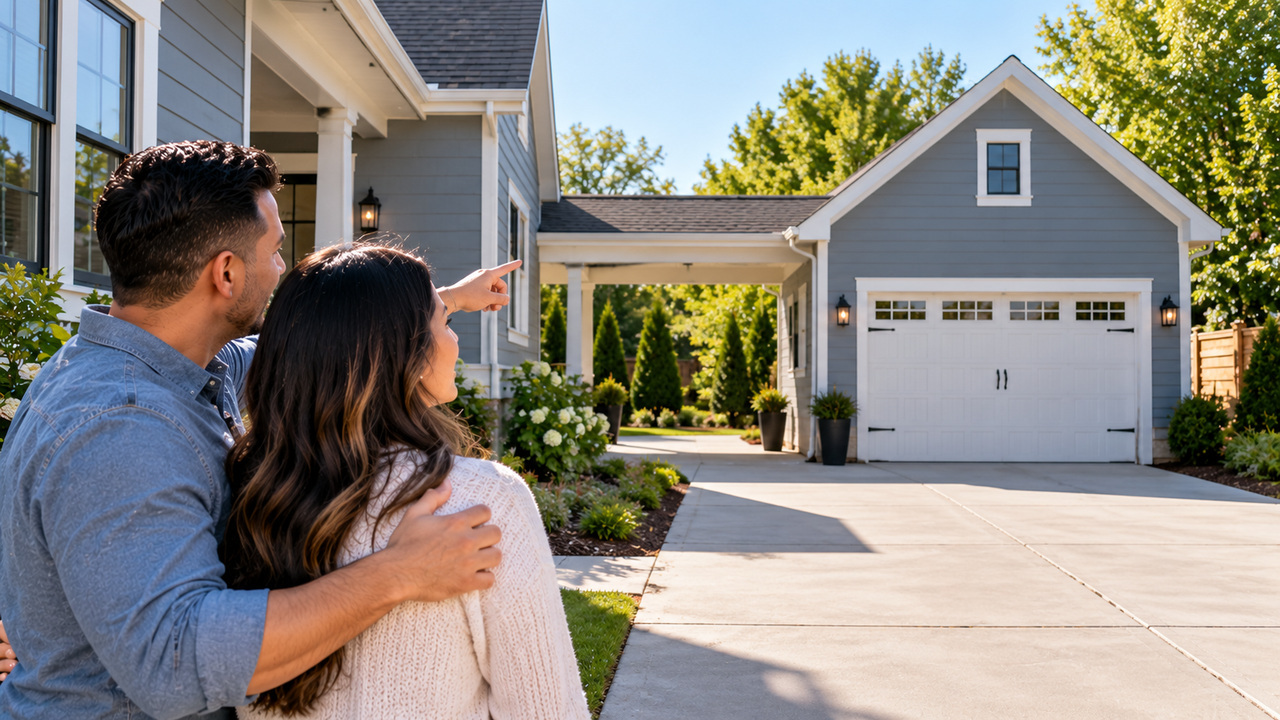 A detached garage can be a major selling point. It may provide covered parking, extra storage, or room for hobbies and projects. But buyers sometimes assume that every square foot of a detached structure adds value in the same way as living space inside the house. During a mortgage appraisal, the analysis is more specific. The appraiser looks at the structure’s condition, function, and contribution to market value.
A Garage Is Not the Same as Living Area
A detached garage is generally evaluated separately from the home’s finished living area. Even if it has electricity, insulation, or finished walls, that does not automatically make it part of the residence’s gross living area.
The distinction is important because listing descriptions sometimes combine different types of space in ways that sound impressive but do not match appraisal reporting standards. A 2,000-square-foot house with a 600-square-foot detached garage is not necessarily a 2,600-square-foot home for appraisal purposes.
Condition and Construction Count
An appraiser may note the garage’s size, construction quality, accessibility, and overall condition. A well-maintained structure with a functional door and sound roof can appeal to buyers. A building with foundation damage, water intrusion, or unsafe wiring may present a different picture.
The appraiser also considers whether the structure is typical for the neighborhood. A detached two-car garage may be highly desirable where off-street parking is scarce. In an area where nearly every home has a similar garage, it may be viewed as a standard feature rather than a premium upgrade.
What About Workshops and Converted Garages?
Some detached garages have been converted into workshops, studios, or other specialized spaces. These improvements may be useful to a particular owner, but they do not necessarily contribute their full construction cost to market value.
If a structure has plumbing, a bathroom, or sleeping quarters, the lender and appraiser may need to understand whether the work was permitted and how the space is legally classified. A finished room over a garage, for example, may be treated differently depending on its access, utilities, local requirements, and the applicable appraisal standards.
Permits and Safety Can Raise Questions
Unpermitted additions or unsafe conditions can complicate a transaction. The exact response depends on the loan program, the property, and the nature of the issue. A lender might request documentation, further evaluation, or repairs before closing.
Buyers should also check whether a detached structure sits within property boundaries and complies with setbacks or other local rules. These questions are especially relevant when the garage was added long after the original home was built.
How Buyers Can Prepare
Before making an offer, ask about the garage’s age, permits, known repairs, and current use. If the structure is a major reason you want the property, discuss it with your mortgage professional and avoid assuming it will support a specific increase in appraised value.
A detached garage can absolutely make a home more useful and appealing. Its value in a mortgage appraisal, however, comes from market evidence and the structure’s actual characteristics, not simply its square footage or replacement cost.