

Home Expenses Include Far More Than Just the Down payment
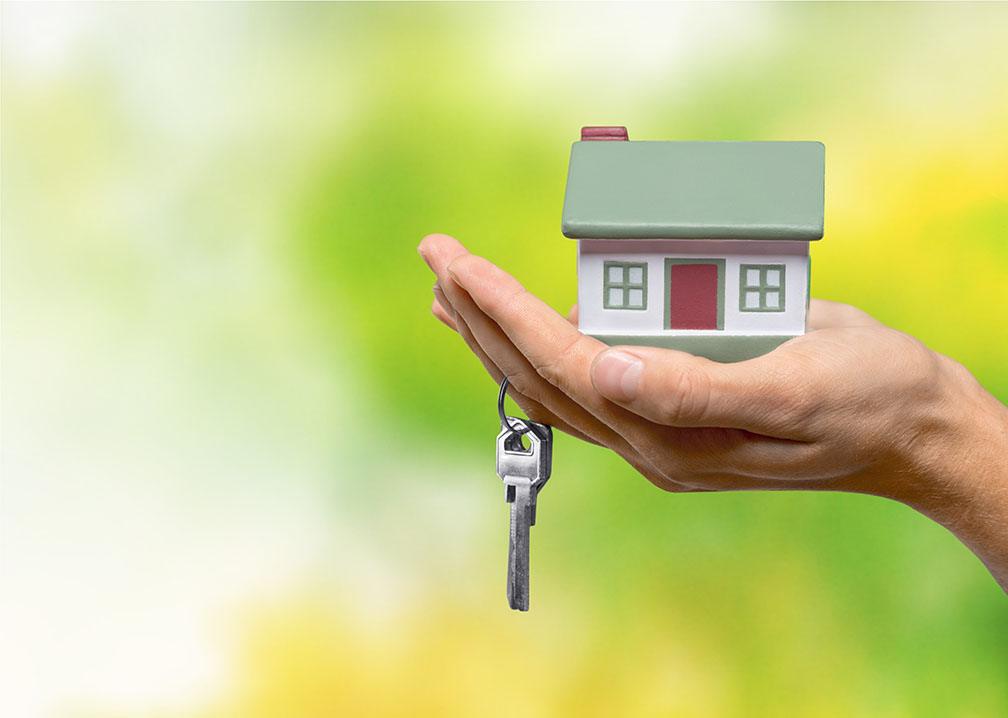 If you are thinking about purchasing your first home in the near future, then you need to be aware of the costs that you are going to take on. When you are looking at the cost of a home, it is very tempting to focus on the sticker price of the home. Even though the down payment is going to be the largest check you are going to write, this is not the only cost that you are going to pay.
There are numerous other costs for which you need to budget as well. By thinking about all of these costs ahead of time, you can make a smart financial decision for you and your family.
Think About The Real Estate Taxes
Depending on the part of the country in which you live, real estate taxes can be significant. For example, it is not unusual for even a modest home to cost thousands of dollars in real estate taxes per year. Therefore, even though you have budgeted for your monthly mortgage payment, make sure that you have budgeted for real estate taxes as well. Usually, your mortgage lender is going to hold your real estate taxes in escrow for you so you don’t end up having to write a large check at the end of the year.
Homeowners’ Insurance And Utility Costs
In addition, you also need to think about homeowners’ insurance and utility costs. Some of the utilities that you have to pay for include internet, phone, cable, gas, electricity, and water. When this is added to your homeowners’ insurance expenses, this can also add up to several hundred dollars per month. Therefore, make sure that you can afford not only the mortgage payment but these recurring monthly expenses as well.
Budget For Your First Home Accordingly
Some of the other expenses that you might have to incur when it comes to your first home include maintenance and repair bills. Therefore, you should make sure that you sit down with an experienced planner and ensure that you can afford the combined expenses. Otherwise, you might end up being priced out of your first home before you realize it.
 For those who are thinking about buying a house in the near future, they want to make sure that they get the best mortgage rate possible. At the same time, if people who want to reduce the interest rate on their mortgage, then they need to do everything you can to make yourself as attractive as possible to lenders. When they are negotiating for a better rate on your mortgage, they need to keep a few important points in mind.
 Those who are thinking about buying their first home soon are likely saving up for a down payment. This can be a challenging process because, for many people, this is the largest amount of money they have ever saved in their lives. Sadly, the amount that people might need to buy their first home is more than they think.