

How to Purchase A Luxury Home Without Up-sizing Your Costs
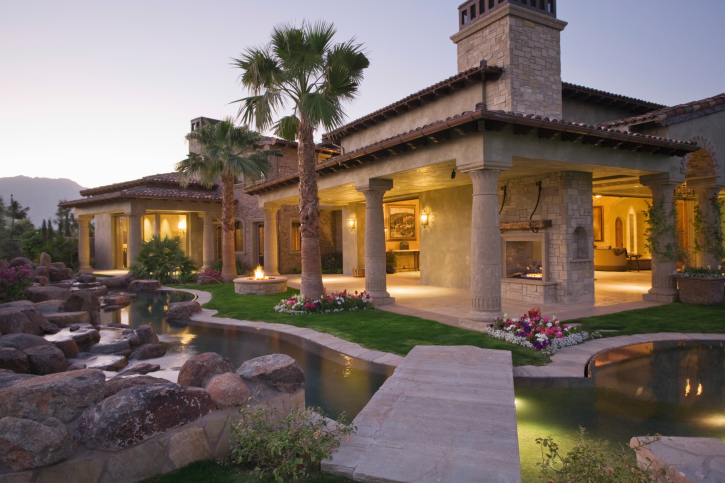 Size matters when you are buying a new home. Whether you plan to expand your family, need more room for your stuff, or are concerned with resale value, you want to get the most space for your money.
Also, if you want to add a feel of luxury to your home, one of the best ways to do it is to create open spaces rather than cramming all your furniture in rooms so tiny you can barely walk around without knocking something over.
Traditionally speaking, the larger a home is, the more it costs. If there are two newly built houses side by side in a subdivision, the bigger one is likely to cost more. However, there are some tricks to finding spacious houses that are affordable.
Choose Emerging Neighborhoods
Houses in this year’s trending neighborhood are at their peak prices. Clever buyers look for neighborhoods that are in the process of being gentrified, buying at the bottom rather than the top of the market, to get more house for their money.
Fix It Up
Houses in perfect condition, that show well, sell for a premium. If you want to get more house for your money, choose something that needs a bit of TLC. A house that has pink walls and orange shag carpet might appear just too ugly to consider when you first view it, but it might just need a few coats of paint and some new carpet to become a spacious dream home.
Do Some Finishing
Unfinished areas such as attics and basements can be finished to create additional living spaces. The basement could become a family room and the attic an extra bedroom or study. An unfinished space can become the extra bathroom you need to make morning more manageable.
Consider an Addition
Contractors can add rooms to a house. If you have a large lot, you can build an extra wing. With a one story ranch house, it may be possible to raise the roof and add a second story.
The more stuff you have, the smaller your home appears. Reduce clutter and invest in smaller condo size furniture to give even the smallest home the appearance of spaciousness.
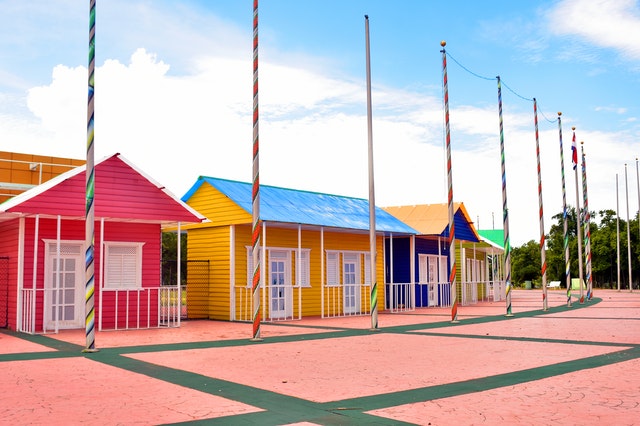 With the sometimes high cost of buying and maintaining a home and the concept of being sustainable becoming more popular, many people are considering moving to a smaller home to minimize their impact. It’s important, however, to consider what living small is really like before deciding that it’s the right move for you.
 Are you growing tired of renting? Or perhaps you’ve recently graduated from college and are looking to set down some roots? Whatever the case, buying your first home is an exciting prospect. Let’s take a look at a quick and easy four-point checklist that you can use to determine if you are ready to buy your first home.