

4 Financial Benefits of Home Ownership
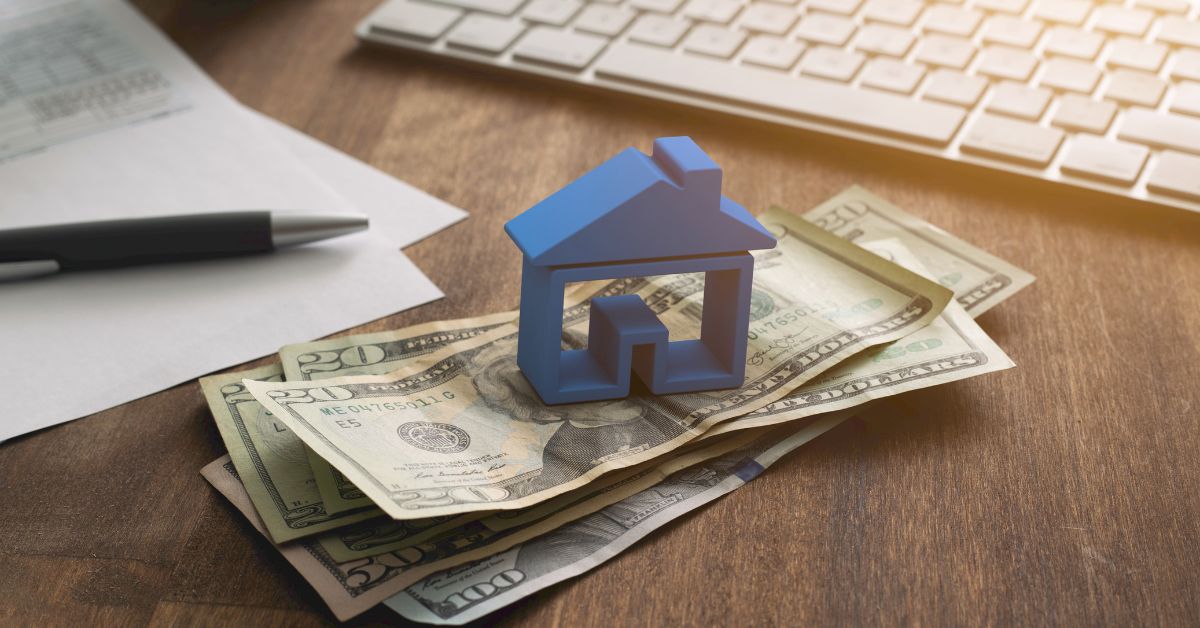 Home ownership may be one of the most familiar goals of adulthood, but there’s more than one reason why so many people flock towards this type of investment and leave the rental market behind. If you’re trying to decide if you should make the big plunge towards buying, here are some benefits of saving up for a down payment and finding the right place to settle in.
It’s More Economical
Many people eschew home ownership simply because it can be hard to wrangle together the funds for a down payment. However, while a monthly rental is money you’ll never see again, the money you put down on a mortgage is being invested back into your home, making for a solid investment you can capitalize on later.
Instant Tax Deductions
The interest that you pay on your mortgage payment can be one of the most tumultuous aspects of purchasing a home, but you may not know that you actually have the ability to deduct many associated costs on your taxes. From origination fees to property taxes, there are plenty of costs that go along with your home that can be claimed for a refund when tax time comes!
Paying A Lower Price
The real estate market fluctuates every day, but one thing is for the certain: the median price of a home is on the rise. While low inflation rates may not be ideal if you’re selling, they can mean a better deal if you’re delving into the market for the first time. Just remember, it’s important to buy a home you can afford as anything that goes beyond your budget is not a solid investment.
A Built-In Savings Account
It may be important to have liquid assets outside of the equity you have in your home, but many people struggle to pay off their home and save money at the same time. While saving outside of your monthly mortgage payment is still important, putting money down on a home is an act of investing, and it’s one you’ll likely make a solid profit on when you decide to sell.
There can be many financial benefits to renting in the short term, but purchasing a home is a more solid financial decision when it comes right down to it. If you’re considering a home and would like to know more about your options, you may want to contact one of our mortgage professionals for more information.
 Are you interested in paying less per month on your mortgage? Or perhaps you would prefer if your mortgage was paid off a couple of months – or years – faster? If you are a homeowner with a mortgage, one option that is open to you is refinancing. In today’s post, we will explore the topic of mortgage refinancing and how to know if it is a good idea.
 Refinancing a mortgage can provide a homeowner with many benefits, and many are interested in refinancing their traditional mortgage into an FHA mortgage to take advantage of low interest rates. Depending on the specific circumstances, this step may lower the monthly payment, reduce interest charges, adjust the loan term so that it is more beneficial for achieving financial goals and more. Those who are interested in refinancing in an FHA mortgage may consider these steps.