How To Handle Common Homeowner Challenges
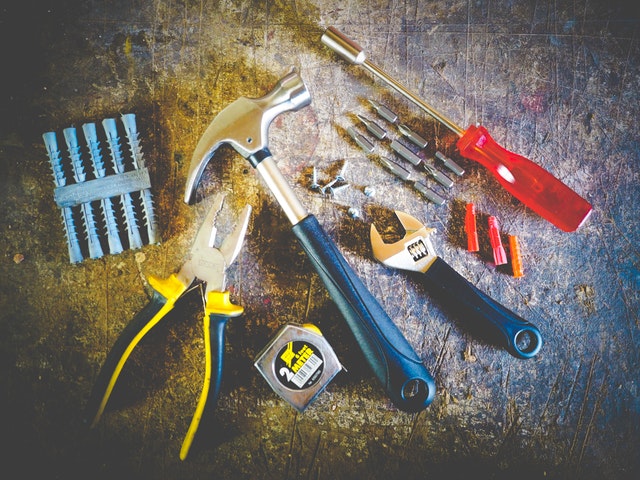
How To Handle Common Homeowner ChallengesIt takes hard work to achieve the American Dream of homeownership. Everyday people work to save for a down payment and build a good credit score. When you turn the key to your first home or dream home, the sweat equity feels well worth it.

But the hard work of buying a home continues long after hanging family photos and hooking up a big-screen TV. There are challenges that property owners are unprepared to handle. These are three of the more common ones you may want to be ready to manage.

Leaking Pipes

Plumbing does not last forever and at some point, it will begin to leak. For people who have wells on their property, copper pipes can wear thin faster. That’s because the pH of well water can tend to be on the more acidic side and corrode pipes quicker.

Many homeowners are ill prepared to deal with pipes that spring a leak. If a leak goes unchecked, the water can cause other damage or hazardous mold growth behind walls and under floorboards. While one solution is often having a plumber make an expensive emergency call, there are other simple solutions.

Take a piece of an old bicycle tire tube and fasten it tight over the leak using a pair of hosepipe screw clamps. These clamps wrap around the pipe and can be closed over the rubber and leak using a screwdriver. If you do not have these items handy, it may be in your best interest to spend less the $5 and get them sooner rather than later.

Moisture In The Bathroom

The single most destructive force to any home is not rodents or termite infestations. Water can do more damage than the average homeowner might imagine. A poorly ventilated bathroom can create one of the most hazardous problems.

When moisture seeps behind walls or under the floor, it can spur on dangerous mold growth. These health hazards often go undetected and sick family members may not know the root cause is hidden behind the walls.

Overly moist bathroom walls from hot showers are a telltale sign that you need improved ventilation. Start immediately by opening a window when showering and enlist the help of a professional to properly vent the bathroom. The difference could be thousands of dollars in ripping out walls and rebuilding, not to mention your health.

Power Outages

There are two types of power outages that homeowners would be wise to prepare for — short ones and long ones. If your power is interrupted for a few hours or half of a day, keep the refrigerator shut and enjoy the time without television noise. A few inexpensive battery-operated lanterns or candles will provide enough light.

But if you are hit by a long-term outage, there are things you can do ahead of time to be prepared. Many homeowners in areas that suffer annual severe weather incidents purchase generators. Small ones can be set outside and run electricity to important items. Even a modest generator can help a homeowner through a week-long outage.

If you don’t have a backup generator, the time is now to prepare. They will fly off the shelves when the lights go out.

The joy of homeownership is coupled with ongoing challenges. Planning ahead can save time, money and help keep your dream home in tip-top shape.

Whether you are interested in buying a new home or refinancing your current property, your trusted home mortgage professional is available to help you find the most current and beneficial financing options.

When It Makes Sense To Buy An Ugly Duckling

When It Makes Sense To Buy An Ugly Duckling“Move-in ready” homes are desirable — there’s no doubt about it! But sometimes it makes better financial sense to opt for a house with dated decor and a less than trendy kitchen or master bath. You may not get your dream home immediately, but the opportunity to transform a property into your own swan can be rewarding. It can also be easy on the pocketbook.

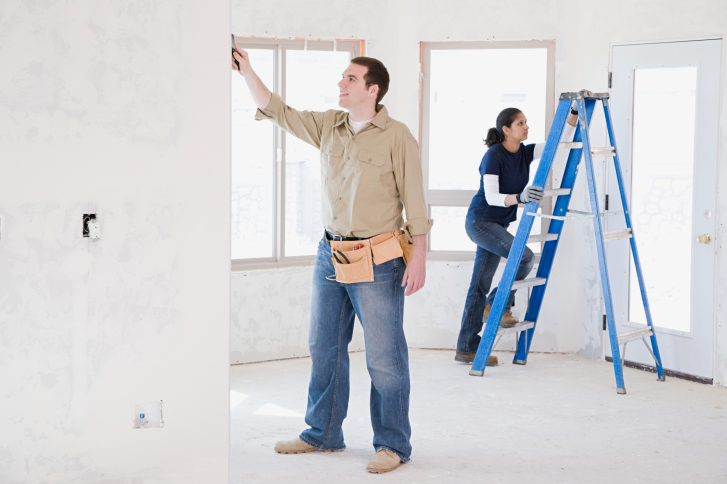
When looking at Ugly Ducklings, however, look first to structural integrity and the condition of major home systems. including plumbing and septic, driveway and drainage. A home inspection is invaluable, even though no inspector can guarantee trouble-free systems. Inspections will alert you to potential problems: Needed roof repairs, leaking faucets, inoperable appliances, termite infestation or dry rot and the like.

All home components have a life span, and if you’re buying an older home, try to determine the age of its systems, including heating and air conditioning, and kitchen appliances.

Here are some ways to weigh the pros and cons:

Electrical Wiring

Assure that the electrical panel and service to the home are ample for your needs. If the panel is undersized or the home still has aluminum wiring, you’ll probably want to check on repair and replacement costs: In some older homes, it might be a deal killer. But it also might be an opportunity. You’ll have to weigh the options.

Roof

A roof that has been well-maintained, and that currently has no major deficiencies, is a bonus. If there are existing problems with shingles or gutters, it’s prudent to get an estimate for needed repairs from a qualified roofer. Use it as a bargaining chip in negotiations.

HVAC

Heating and Air Conditioning are major “quality of life” considerations. Whatever systems the house has installed should be in reasonable condition, and should heat and cool appropriately on demand. That doesn’t assure that you won’t have some costs sooner rather than later. But, depending on the age of the systems, you make get many more years of use.

Appliances

Older appliances may not have all the bells and whistles of stylish new models. But kitchen updates are expensive; the most costly items include cabinets and appliances. Buying a house with a vintage kitchen means that you can undertake a redo on your own terms, doing a little or a lot on your own timetable and with a specific budget in mind. 

Decor

Paint and simple fixes can change the whole look of a room, and put a new face on a whole house. A little elbow grease and a lot of imagination will easily compensate for the extra price of a remodeled home with all the newest materials. 

Landscaping

If you’re looking for bargains, look beyond negative curb appeal. Consider lot size and potential, and know that with a little cash and a lot of sweat equity, a nondescript yard can be transformed. Choose low-maintenance plants and reap double rewards.

Buying property in need of TLC, a Plain Jane, or the ugliest house on the block can be a wise decision if you have a little patience. But you might have to also invest some time and effort, along with some cash, to make it a thing of beauty. 

If you are in the market for a fixer-upper, be sure to contact your trusted mortgage professional for a pre-approval and to discuss financing options.

3 Things You Need to Consider Before Buying That Fixer-Upper Home

3 Things You Need to Consider Before Buying That Fixer-upper Home

What Will It Cost?

If you’re going into a home expecting a few renovations costs, a minor detail here or there may not add up to much. However, if you’re not interested in spending the big bucks on making changes, you’ll want to estimate an approximate amount of how much the renovations you don’t want to live without will amount to. By including all the necessary labor and materials, you’ll be able to determine if the price-point of your offer will be worth it. Keep in mind that if there are any serious issues with the house, it may not be worth your while to consider the purchase at all.

Will Renovations Increase The Value?

In the event that you’re buying a home for its investment value, it’s going to be particularly important to consider if the renovations required will actually increase its market value. While adding another bedroom or upgrading a bathroom may not add significantly to a home’s overall price, certain more inexpensive improvements like painting, refinishing and new siding can actually add a lot to the look (and worth) of your home.

How Much Are You Willing To Take On?

It’s easy to think that you’re prepared to do the dirty work when faced with a fixer-upper, but getting down to brass tacks may not be so simple when the time comes. Before taking on a home that needs a lot of renovation, consider how much you’re willing to do so that you can determine if fixing it up will even be an economic boon after all the labor that may go into it. If you’re not a DIY kind of person, you may want to avoid a house that has a long list of repairs.

A fixer-upper can be tempting for those who want to invest or save on a home purchase, but you’ll want to carefully consider if it will be a good choice when it comes to selling time. Contact o or more information.