

Why Getting Pre-Approved Early Can Save You More Than Just Time
 One of the biggest advantages of getting pre-approved early is that it removes guesswork. Many buyers start searching for homes based on rough estimates or online calculators, which often do not reflect their true financial situation.
A pre-approval takes into account your income, credit, debt, and current rates to give you a realistic number. This helps you focus only on homes that fit your budget and prevents you from wasting time on properties that are not financially viable.
It Makes Your Offer Stronger
When you submit an offer on a home, sellers want to know that you are serious and capable of closing the deal. A pre-approval shows that a lender has already reviewed your finances and is confident in your ability to move forward. This adds credibility to your offer and can make a meaningful difference in competitive situations. Sellers are often choosing between multiple offers, and the one that feels more secure can stand out even if the price is similar.
You Can Identify and Fix Issues Early
Pre-approval can uncover potential problems before they become urgent. This might include credit score issues, documentation gaps, or debt levels that need adjustment. Addressing these items early gives you time to improve your position without the pressure of a contract deadline. Waiting until you are already under contract can lead to delays or even risk losing the home altogether if issues cannot be resolved quickly.
It Helps You Plan Your Budget More Accurately
A pre-approval provides a clearer picture of your full monthly payment, including taxes and insurance. This allows you to make decisions based on your actual financial comfort, not just a theoretical number. Understanding your true payment helps you balance homeownership with your other financial goals, such as savings, travel, or future investments.
It Reduces Stress During the Buying Process
The home buying process can move quickly once you find the right property. Having your financing already in place removes a major source of uncertainty. Instead of scrambling to get approved, you can focus on making decisions with confidence. This creates a smoother experience from start to finish and helps you feel more in control throughout the process.
 Pre-approval is often treated as the green light to shop at the top of a budget. However, the most successful buyers begin with a deeper conversation about comfort, lifestyle, and risk tolerance. A lender can determine what is possible, but only the buyer can determine what feels sustainable. Aligning personal comfort with financial approval creates long term stability.
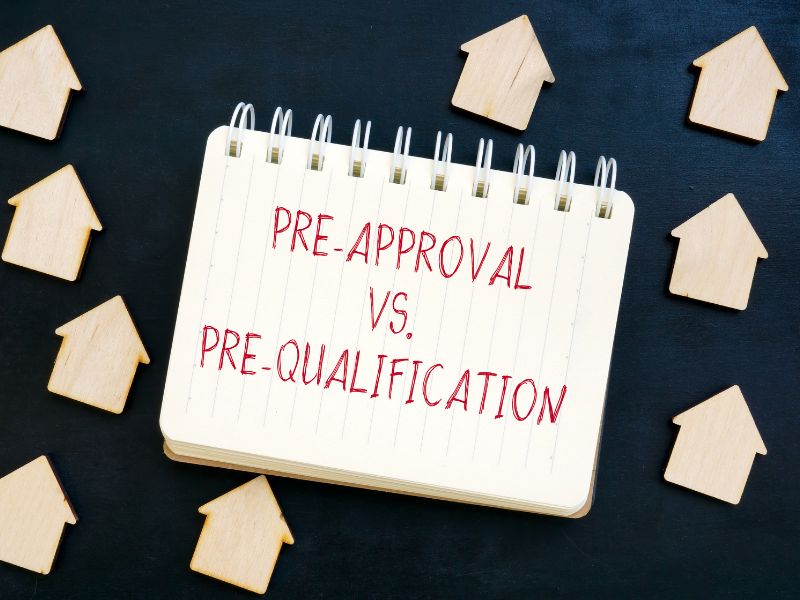 Pre-approval and pre-qualification are terms commonly used in the context of mortgage loans, but they can also apply to other types of loans. While they sound similar, they have different meanings and implications in the loan application process: