

How Much House You Should Buy vs. How Much You Can Buy
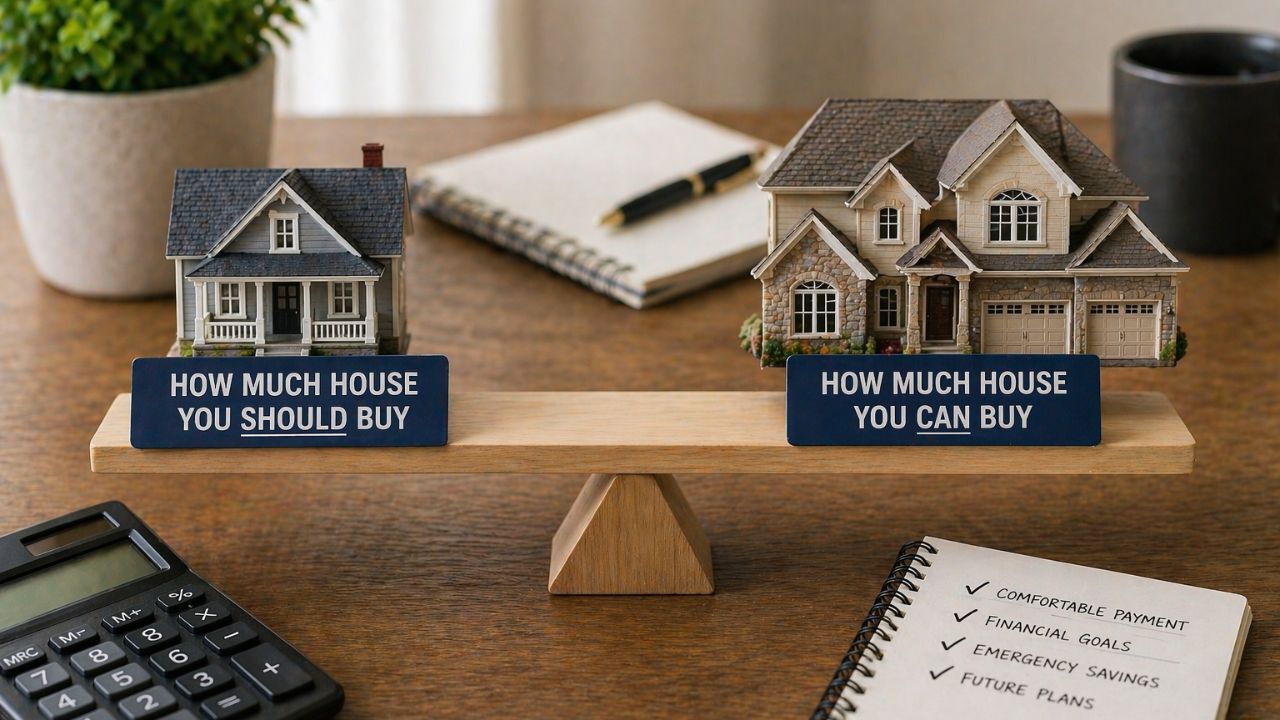 One of the most common misconceptions in home buying is that the amount you are approved for is the amount you should spend. In reality, lenders calculate the maximum you qualify for based on your income, debts, and credit profile.
That number represents the upper limit of what may be acceptable from a lending perspective, not what will feel comfortable in your day-to-day life. Buying at the top of your approval range can leave very little room for flexibility, which can become stressful over time.
Your Monthly Payment Is Only Part of the Picture
Many buyers focus heavily on the mortgage payment itself, but that is only one piece of the overall cost. Property taxes, homeowners insurance, utilities, and maintenance all contribute to your total monthly expenses. These additional costs can vary depending on the home and location, and they often increase over time. A home that seems manageable based on the mortgage alone may feel much more expensive once everything is included.
Lifestyle Should Guide Your Decision
Your home should support your lifestyle, not limit it. When you stretch your budget to the maximum, you may find yourself cutting back in other areas such as travel, savings, or everyday spending. A lifestyle first approach means choosing a home that allows you to maintain balance. This includes having room for emergencies, future goals, and the activities that matter most to you. Financial comfort plays a key role in long-term satisfaction with your home.
Planning for Future Changes
Your financial situation today may not look the same in a few years. Changes in employment, family size, or personal goals can all impact your budget. Leaving some margin between what you can afford and what you choose to spend gives you flexibility. It allows you to adapt without feeling financially strained. Buyers who plan for the future tend to make more sustainable decisions.
Peace of Mind Is a Long-Term Benefit
Owning a home should bring a sense of stability and security. When your payment fits comfortably within your budget, you are less likely to feel pressure from unexpected expenses or changes in income. This peace of mind allows you to enjoy your home rather than worry about it. In many cases, choosing a slightly less expensive home can lead to a better overall experience.
A Smarter Approach to Buying
The goal is not to buy the most expensive home you can qualify for, it is to buy the right home for your life. By focusing on affordability, lifestyle, and long-term flexibility, you can make a decision that supports both your present and your future.
 Buying a home is a big deal—and protecting it properly matters just as much as purchasing it in the first place.
 Starting a home build is exciting—equal parts vision board and “wait, how do we pay for all of this?” moment. The financing side can get complicated fast, especially when construction and long-term mortgage needs overlap.