

Understanding PMI and Why It May Benefit You
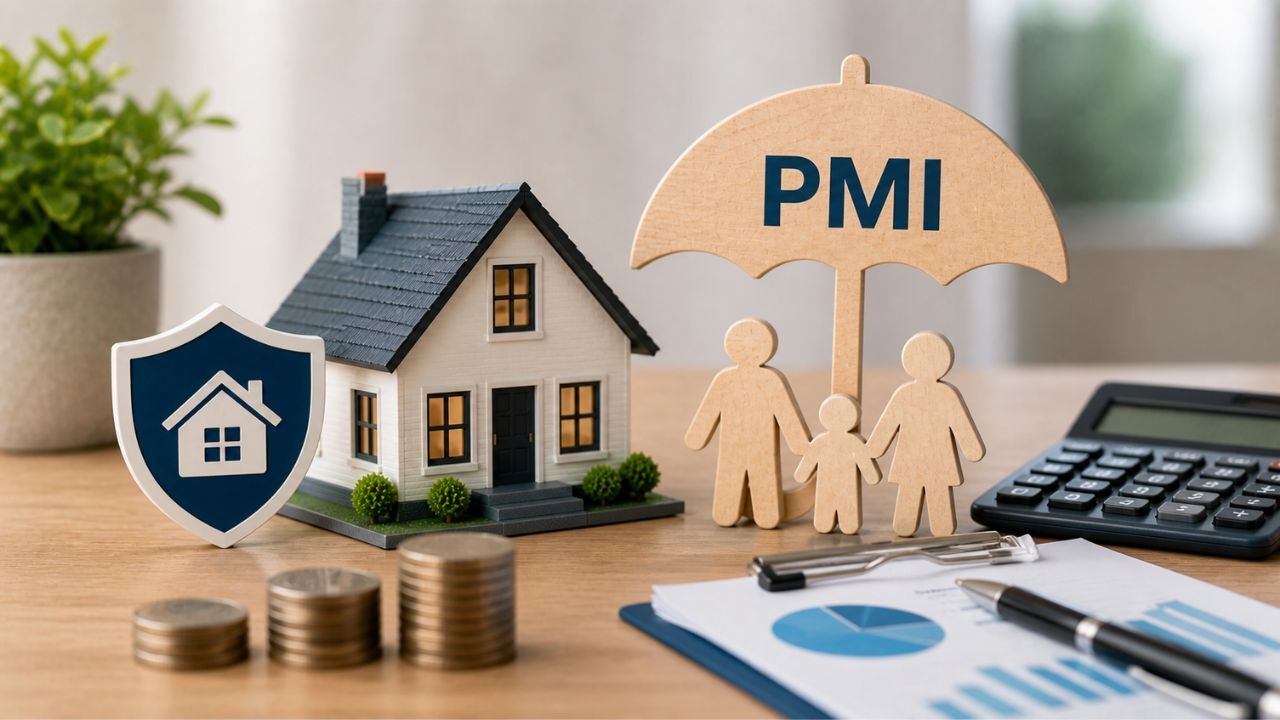 Private Mortgage Insurance, commonly known as PMI, is often misunderstood by homebuyers. Many people view it as an added expense to avoid at all costs, but that perspective can actually delay homeownership and limit your options. When used strategically, PMI can be a valuable tool that helps you purchase a home sooner and begin building equity earlier.
What PMI Is and How It Works
PMI is a type of insurance that protects the lender in the event a borrower defaults on a loan. It is typically required when a buyer puts down less than 20% on a home. While it does increase your monthly payment, it allows you to secure financing with a lower upfront investment. For many buyers, this creates an opportunity to enter the market without waiting years to save a larger down payment.
Why Waiting to Avoid PMI Can Cost You
Many buyers delay purchasing a home because they want to avoid PMI by saving a full 20% down payment. However, during that time, home prices and interest rates can increase. This can result in paying more for the same home later or missing out on appreciation. In many cases, paying PMI for a period of time is more cost-effective than waiting and facing a higher purchase price.
PMI Is Not Permanent
One of the biggest misconceptions about PMI is that it lasts for the life of the loan. In reality, PMI can often be removed once you reach a certain level of equity in your home, typically around 20%. This means it is usually a temporary cost that helps you achieve homeownership sooner rather than a long-term burden.
Building Equity Sooner Has Real Benefits
By purchasing a home earlier with PMI, you begin building equity right away. As your loan balance decreases and property values potentially increase, your ownership stake grows. This can create financial flexibility and long-term wealth that would not be possible if you delayed buying.
Looking at the Full Financial Picture
It is important to evaluate PMI as part of the overall homebuying strategy rather than focusing only on the added monthly cost. When you consider market conditions, long-term appreciation, and the opportunity to build equity, PMI often becomes a practical and beneficial option.
PMI is not something to fear, it is a tool that can help you move forward sooner and with confidence. Ready for a mortgage? Give us a call today to explore your options.
 Private Mortgage Insurance (PMI) is a sizable expense during the process of buying a home that many overlook until it impacts their financial decisions. Understanding PMI, its purpose, and strategies to manage or eliminate it can save you thousands of dollars over the life of your mortgage.
 When you are buying a home, you may run into a number of hurdles to complete the purchase. One of the items that you may be asked to purchase is called private mortgage insurance, often shortened to PMI. This is a unique insurance policy that your lender, such as the credit union or bank, may ask you to buy in order to protect themselves. In this insurance policy, the bank protects themselves against losing money if you end up defaulting on your loan.