

How Do I Get Rid of PMI?
 How to Get Rid of PMI?
PMI (Private Mortgage Insurance) is a type of insurance that lenders may require borrowers to pay if they have a down payment of less than 20% of the home’s purchase price. The purpose of PMI is to protect the lender in case the borrower defaults on the loan. However, once you have paid off enough of your mortgage or your home has appreciated in value, you may be able to get rid of PMI. Here are some ways to do so:
Pay down your mortgage: If you make extra payments on your mortgage or pay more than the required monthly payment, you can build equity in your home faster and reduce the amount of PMI you have to pay. Once you reach 20% equity in your home, you can request your lender to remove the PMI.
Refinance your mortgage: If you can’t afford to make extra payments, you may consider refinancing your mortgage to a lower interest rate. This could lower your monthly mortgage payment and help you build equity in your home faster. Once you have enough equity in your home, you can request your lender to remove the PMI.
Get your home appraised: If your home has appreciated in value since you bought it, you may be able to get rid of PMI by getting your home appraised. If the appraisal shows that you have 20% or more equity in your home, you can request your lender to remove the PMI.
Wait for automatic termination: If you have a conventional mortgage, your lender is required to automatically terminate your PMI when you reach 22% equity in your home, provided you are current on your mortgage payments.
Why Do Lenders Require PMI?
Lenders require PMI (Private Mortgage Insurance) when a borrower has a down payment of less than 20% of the home’s purchase price. The purpose of PMI is to protect the lender in case the borrower defaults on the loan. If the borrower defaults, the PMI will cover the lender’s losses up to a certain percentage of the loan amount, typically 20% to 30%.
Lenders require PMI because borrowers with less than 20% down payment are considered to be at a higher risk of defaulting on their mortgage. This is because they have less equity in the property, which means they have less of their own money invested in the home. If the borrower defaults, the lender may not be able to recover the full amount of the loan by selling the property.
PMI allows lenders to offer mortgages to borrowers with less than 20% down payment while still protecting themselves against the risk of default. Without PMI, lenders would likely require larger down payments, which would make it more difficult for many borrowers to qualify for a mortgage.
It is important to note that PMI is not the same as homeowner’s insurance, which covers damage to the property. PMI is solely for the benefit of the lender and does not provide any protection for the borrower. The specific requirements and procedures for removing PMI may vary depending on your lender and the type of mortgage you have. It is important to check with your lender to determine what steps you need to take to remove PMI.
 When it comes to putting a down payment on a house, most lenders are going to ask for 20 percent; however, some lenders will be willing to accept a smaller down payment in exchange for something else.
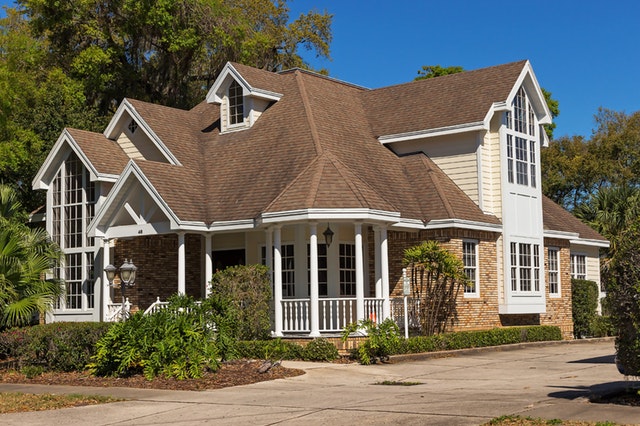 Buying a home for the first time can be a challenge. One of the tools created to help people buy a home for the first time comes in the form of FHA loans. There were loans that were supported by the Federal Housing Administration (FHA). They can require a down payment that is as low as 3.5 percent.